

How Much Exercise Does My Dog Need Every Day?
How to Stop a Cat From Scratching Furniture
What Halloween Costume Is Safe for My Dog?
How to Stop a Puppy From Biting in 7 Days
Most puppy biting fades within about a week of consistent training. The method: every time the puppy's teeth touch your skin, say "ouch" in a calm, firm voice, stop the play for 10–20 seconds, and then redirect the puppy to a chew toy. Puppies learn fast when the rule is the same every single time.
What Cat Products Are Actually Worth Buying?
What Are the Most Common Pet Care Myths?
What Do You Put in a KONG Toy for Dogs?
How Often Should You Brush Your Dog?
How to Stop a Cat From Scratching Furniture
Click here to add text.
How to Stop a Dog From Pulling on the Leash
Outward Hound Hide-A-Squirrel: The Puzzle Toy That Beats Doggy Boredom
🧠 Why Birds Need Fat in Winter
-
Birds burn enormous amounts of energy to stay warm.
-
Fat is the highest‑calorie fuel they can get.
-
In freezing weather, fat-based foods help them survive long nights.
So the issue isn’t “fat is bad” — it’s certain fats, or fats used incorrectly, that cause problems.
🟢 GOOD FATS for Birds
These are the ones used in suet cakes, winter treats, and DIY recipes:
1. Rendered beef suet
-
Pure, clean animal fat
-
Stays solid in cold weather
-
Doesn’t smear easily
-
Safe for woodpeckers, chickadees, nuthatches, wrens, jays, etc.
2. Lard
-
Similar to suet but softer
-
Works well when mixed with dry ingredients (cornmeal, oats, flour)
-
Provides high energy without coating feathers
3. Natural peanut butter
-
High in protein and fat
-
Birds love it
-
Safe when unsalted and mixed with dry ingredients to reduce stickiness
🔴 FATS THAT ARE NOT SAFE
These are the ones people confuse with “fat is bad”:
1. Bacon grease
-
Contains salt, preservatives, and burnt particles
-
Can smear on feathers
-
Spoils quickly
-
Not recommended
2. Greasy kitchen oils
-
Stay soft even in cold
-
Easily coat feathers → dangerous
-
Go rancid fast
-
Attract predators and pests
3. Fats used in warm weather
-
Melt → smear on feathers
-
Can cause hypothermia or flight problems
-
Only feed suet/lard mixes in cold seasons
🐦 Why smearing is dangerous
If fat gets on a bird’s feathers:
-
It destroys waterproofing
-
They lose insulation
-
They can’t fly well
-
They can freeze or become easy prey
This is why texture and temperature matter as much as the fat itself.
🧁 Why recipes mix fat with dry ingredients
You’ll see suet recipes with:
-
Cornmeal
-
Oats
-
Flour
-
Birdseed
-
Nuts
-
Fruit
These ingredients:
-
Make the fat crumbly, not greasy
-
Prevent smearing
-
Add nutrients
-
Make it easier for birds to eat
✔️ Bottom Line
-
Fat is essential for birds in winter.
-
Rendered suet, lard, and natural peanut butter are safe.
-
Bacon grease, salted fats, and warm-weather feeding are unsafe.
-
The goal is high energy without greasy feathers.
✅ Why Cooked Rice Is Good for Winter Birds
-
Easy to digest: Soft, cooked rice is gentle on birds’ digestive systems.
-
Energy boost: Rice provides carbohydrates, which help birds stay warm in cold weather.
-
Safe food: Both cooked and uncooked rice are safe — the old myth about rice harming birds is false.
⚠️ Important Guidelines
-
Use plain rice only No salt, butter, oil, seasoning, or sauces. Birds can’t process added sodium or fats well.
-
Serve in small amounts Rice is a filler food — helpful, but not nutritionally complete.
-
Offer it dry and separated Sticky rice can clump; fluff it before putting it out.
-
Best for ground-feeding birds Mourning doves, sparrows, juncos, blackbirds, and pigeons will eat it readily.
❄️ Winter
Because natural food sources are scarce in cold snaps, adding a small dish of plain cooked rice alongside your regular seed mix can give local birds an extra calorie boost.
❄️ Getting Ready for a Big Snowstorm With Your Pets
When a major snowstorm is on the way, most of us rush to stock up on food, batteries, and shovels — but our pets need a little preparation too. Winter weather can be tough on animals, especially when temperatures drop fast and outdoor time becomes limited. A few simple steps can make the storm safer and far more comfortable for your furry family members.
🐾 Create a Warm, Safe Space Indoors
Pick a cozy spot away from drafts where your pet can ride out the storm. Add blankets, a soft bed, and fresh water. If your pet usually sleeps near a door or window, move them to a warmer area until the weather settles.
🧤 Protect Paws From Ice and Salt
If your dog needs to go outside, keep trips short. Snow, ice, and road salt can irritate paws quickly. Wipe their feet as soon as they come back in, and consider using paw balm or booties if you have them on hand.
🥣 Stock Up on Food, Treats, and Medications
Make sure you have enough pet food, treats, and any medications to last several days. Storms can delay deliveries and close stores, so having a small backup supply gives you peace of mind.
🔦 Prepare for Power Outages
If the lights go out, pets can get anxious. Keep a flashlight nearby, along with a familiar toy or blanket to help them feel secure. For small animals or reptiles that rely on heat, have a backup warming plan ready.
🚪 Keep Pets Indoors and Safe
During heavy snow and high winds, pets should stay inside. Even outdoor‑loving dogs and cats can become disoriented or chilled quickly. Make sure your yard gates are secure — drifting snow can push them open.
🎾 Plan for Indoor Enrichment
Snowstorms can mean long hours inside. Keep your pets entertained with puzzle toys, indoor fetch, or extra cuddle time. A little mental stimulation goes a long way when outdoor play isn’t an option.
A little preparation makes a big difference. With a warm space, safe paws, and a stocked‑up home, your pets will stay comfortable and calm no matter how much snow piles up outside.
🐾 What to Do Immediately If Your Pet Goes Missing
🚨 First 15–60 Minutes
-
Stay calm and think clearly. Panic wastes time.
-
Search your neighborhood. Most pets are found within a 2-mile radius of where they were last seen.
-
Call out their name and bring treats or toys they respond to.
-
Check hiding spots like garages, sheds, under decks, and bushes.
📢 Spread the Word Fast
-
Post on Nextdoor, Facebook, and local lost pet groups. Include a clear photo, last known location, and contact info.
-
Create flyers with your pet’s photo and details. Post them at intersections, parks, and vet offices.
-
Notify local shelters and animal control. In Connecticut, contact your town’s Animal Control Officer (ACO).
-
Register with microchip companies like PetLink or HomeAgain if your pet is chipped.
🧠 Smart Tips That Help
-
Leave out familiar scents (your clothes, pet’s bed) near your home.
-
Use a pet tracker app if your pet wears a GPS collar.
-
Ask neighbors to check security cameras.
-
Visit shelters in person. Don’t rely only on phone calls.
🐾 Winter Pet Care: Simple Tips to Keep Your Dogs and Cats Safe All Season
Winter in Connecticut brings its own kind of beauty — crisp mornings, snowy backyards, and plenty of cozy nights inside. But for our pets, the cold season also brings a few challenges that every owner should keep in mind. Whether you share your home with a playful pup or a curious cat, a little preparation goes a long way in keeping them safe, warm, and happy.
❄️ Watch the Cold Weather Cues
Pets feel the cold just like we do. Short‑haired dogs, senior pets, and small breeds are especially sensitive. If your dog is shivering, lifting their paws, or hesitating to go outside, it’s a sign they need shorter walks or a warm coat. Cats that roam outdoors should be encouraged to stay inside during freezing temperatures.
🧼 Protect Those Paws
Salt, ice melt, and frozen sidewalks can be tough on paws. After each walk, wipe your dog’s feet to remove chemicals and prevent irritation. A pet‑safe balm or booties can add extra protection. Indoor cats can also get dry, cracked paws from low humidity, so a humidifier can help keep them comfortable.
🚗 Beware of Hidden Winter Hazards
Antifreeze spills, snowbanks hiding sharp objects, and even warm car engines can pose risks. Always check your driveway for leaks, keep garage products sealed, and tap your car hood before starting the engine — outdoor cats sometimes crawl underneath for warmth.
🏠 Create a Cozy Indoor Environment
Winter is the perfect time to make your home extra inviting. Provide soft bedding away from drafts, keep litter boxes clean and accessible, and make sure pets have fresh water (it can freeze quickly outdoors). A little extra playtime indoors helps burn energy when outdoor time is limited.
🍲 Adjust Food and Hydration
Some pets burn more calories in the cold, especially active dogs. Others move less and may need fewer calories. Keep an eye on your pet’s weight and adjust portions as needed. And remember — hydration matters just as much in winter as in summer.
❤️ A Season for Snuggles
- Winter gives us more time inside with the pets we love. Use it to strengthen your bond: extra brushing, puzzle toys, training sessions, or simply curling up together on the couch. Pets thrive on routine and connection, especially during long, chilly months.
🦌 To Feed or Not to Feed Wildlife: The Pros and Cons Every Nature Lover Should Know
There’s something magical about spotting wildlife right in our own backyards — a deer at dusk, a curious raccoon, a flock of winter birds stopping by for seed. For many animal lovers, the instinct to help is strong. But when it comes to feeding wildlife, the answer isn’t always simple. It’s a balance between compassion and long‑term wellbeing.
This guide breaks down the real pros and cons so you can make informed, responsible choices that support the animals you love.
🌿 The Case For Feeding Wildlife
1. Helping Animals Through Harsh Seasons
Winter storms, deep snow, and food shortages can make survival tough. Supplemental food — especially for birds — can provide a critical boost when natural resources are scarce.
2. Supporting Local Biodiversity
Backyard feeders can attract a variety of species, giving them a safe, reliable place to refuel. This is especially helpful for migrating birds who need energy for long journeys.
3. Educational and Emotional Benefits
Watching wildlife up close fosters appreciation, curiosity, and a deeper connection to nature. For kids, it’s a hands‑on way to learn about ecosystems and animal behavior.
4. Encouraging Conservation Awareness
People who feed wildlife often become more invested in protecting habitats, planting native species, and supporting conservation efforts.
🚫 The Case Against Feeding Wildlife
1. Risk of Dependency
When animals rely on human-provided food, they may lose their natural foraging instincts. This can make them vulnerable if the food source suddenly disappears.
2. Spread of Disease
Crowding around feeders increases the chance of illness spreading between animals. Dirty feeders, spoiled food, or close contact can create health risks.
3. Unintended Visitors
Feeding wildlife can attract animals you didn’t intend to feed — like raccoons, coyotes, bears, or rodents. This can lead to conflicts, property damage, or safety concerns.
4. Disrupting Natural Behavior
Some foods can alter migration patterns, encourage animals to linger in unsafe areas, or cause aggressive behavior when animals compete for easy meals.
5. Nutritional Problems
Not all foods are safe. Bread, corn, and processed snacks can harm wildlife, even if offered with good intentions.
🧭 So… Should You Feed Wildlife?
The safest, most responsible approach is mindful feeding — especially for birds, who benefit most from supplemental food. For larger mammals, experts generally recommend avoiding direct feeding and instead focusing on habitat support.
A balanced approach looks like this:
-
Offer clean, species‑appropriate food (like black oil sunflower seeds, suet, or nectar).
-
Keep feeders clean to prevent disease.
-
Avoid feeding large mammals like deer, bears, or coyotes.
-
Plant native shrubs, trees, and flowers to create natural food sources.
-
Provide fresh water, especially in winter when natural sources freeze.
-
Remove feeders temporarily if you notice sick animals or unwanted visitors.
This way, you support wildlife without unintentionally causing harm.
🌎 Final Thoughts
Feeding wildlife is a personal choice — but it’s one that comes with responsibility. With the right knowledge and a thoughtful approach, you can enjoy the beauty of nature while helping animals stay healthy, wild, and safe.
If you’re looking to make your backyard more wildlife‑friendly, small steps like planting native species or offering clean water can make a big difference.
🐦 Top Feeding Tips: Helping Backyard Birds Thrive in Winter
Not all birds head south when the snow arrives. Many hardy species — like chickadees, nuthatches, sparrows, cardinals, and juncos — stick around and tough it out. But winter is no picnic. Frozen landscapes make food and water scarce, and birds need extra energy just to stay warm.
Here’s how you can help your feathered neighbors thrive this season:
🍎 1. Offer Fruit as a Sweet Treat
Chopped apples, oranges, and grapes are a welcome surprise. Try hanging dried orange slices or cranberries on a string — it’s festive and functional.
🧈 2. Feed Suet for a Calorie Boost
High-fat suet is a winter lifesaver. You can buy ready-made cakes or make your own with peanut butter, cornmeal, and seeds.
💧 3. Keep Water Accessible
Birds need liquid water year-round. A heated birdbath ensures they stay hydrated even when everything else is frozen.
🎄 4. Share Holiday Surprises
Decorate outdoor trees with bird-friendly garlands made of popcorn and cranberries. It’s a cheerful way to feed and beautify.
🏠 5. Use Small, Covered Feeders
Smaller feeders with roofs help keep seed dry and accessible during snowstorms.
🌿 6. Protect Against Predators
Place feeders near bushes or shrubs so birds have a quick escape route from hawks and other threats.
🌲 7. Leverage Natural Shelter
Evergreens offer both food and protection. Hanging suet from conifers gives birds a safe, cozy spot to refuel.
❄️ 8. Enjoy the Winter Show
Hardy birds like chickadees and blue tits bring color and life to snowy scenes. Keep feeders stocked and enjoy the view!
Whether you're a seasoned birdwatcher or just love seeing cardinals in the snow, these tips make a real difference. Supporting backyard birds is a simple way to connect with nature — and brighten up even the coldest days.
🐶 What to Feed Your New Puppy
Bringing home a new puppy is exciting, and choosing the right food is one of the first ways you set them up for a healthy start. Puppies need diets specifically formulated for growth — higher in protein, enriched with DHA for brain development, and balanced minerals for strong bones. Look for foods labeled “complete and balanced” for puppies and choose formulas that match your dog’s size (small, medium, or large breed).
Most puppies do best with 3–4 small meals a day until around six months old. This keeps their energy steady and supports healthy digestion. Whether you choose dry kibble, wet food, or a mix, consistency is key — and any transitions should be made gradually over 5–7 days to avoid stomach upset. Treats are great for training but keep them under 10% of daily calories.
⭐ Top Puppy Food Recommendations (Available on Amazon)
1. Fromm Gold Puppy Dry Dog Food
-
High‑quality proteins (chicken, duck, lamb)
-
Whole grains for steady energy
-
Enhanced with probiotics and salmon oil
-
Great for small and medium breeds
-
Rating: 4.7★ (3,006+ reviews)
2. Purina Pro Plan Large Breed Puppy – Chicken & Rice
-
Designed to support controlled growth in large breeds
-
DHA for brain and vision development
-
Glucosamine for developing joints
-
Rating: 4.6★ (22,402+ reviews)
3. Hill’s Science Diet Puppy – Small Bites
-
DHA from fish oil for brain and eye development
-
High‑quality protein for muscle growth
-
Balanced minerals for bones and teeth
-
Rating: 4.73★ (57,155+ reviews)
4. NutriSource Large Breed Puppy – Chicken & Rice
-
Prebiotics and probiotics for gut health
-
Balanced Omega‑3 and Omega‑6
-
Real chicken as the first ingredient
-
Rating: 4.6★ (1,764+ reviews)
5. NutriSource Small & Medium Breed Puppy – Chicken Meal & Rice
-
Easy to digest
-
High‑quality chicken meal protein
-
Supports heart health and overall growth
-
Rating: 4.7★ (6,220+ reviews)
6. Purina Pro Plan Puppy – Chicken & Rice Formula
-
DHA for brain and vision
-
Highly digestible
-
Antioxidants for immune support
-
Rating: 4.7★ (81,417+ reviews)
Tip For Helping our Wildlife during the Winter
Most people think winter is hardest for wildlife because food is scarce. But in cold weather, access to liquid water can become an even bigger challenge. When temperatures drop, ponds, puddles, and streams freeze solid, leaving animals with very few safe ways to stay hydrated. Snow may look like a water source, but it isn’t very efficient. Animals have to use valuable body energy to melt it, which can leave them even more dehydrated. Cold, dry air also pulls moisture from their bodies through breathing, so animals need to replace water more often in winter than many people realize. A bird or squirrel can often manage longer without food than without water, especially during extended freezes. You can help in a simple, safe way by putting out a shallow water dish. Choose a container that’s only about one to two inches deep so small animals can drink safely. Placing stones, pebbles, or marbles in the dish gives birds and insects something to stand on and helps prevent slipping. In very cold weather, refilling with slightly warm water once or twice a day can keep it from freezing as quickly. If freezing is a constant issue, adding a floating object like a small ball can create movement that slows ice from forming. Set the dish near shrubs or trees where animals feel protected, but keep it far enough from dense cover to allow birds a clear view of their surroundings. Clean the container regularly to keep the water fresh and safe. Water supports more than just birds. Squirrels, rabbits, deer in suburban areas, and many other animals benefit when liquid water is available. If you already put out food in winter, adding water completes the support you’re offering and makes your efforts far more effective. A small bowl of water may seem simple, but in winter it can make daily survival much easier for the wildlife sharing your space.
❄️ Winter Safety Tip: Keep Pets Protected During a Snowstorm
Snowstorms may look magical from the window, but they can be tough on our pets. When the flakes start piling up , it’s important to give dogs and cats a little extra care. Limit outdoor time to quick bathroom breaks, since freezing temperatures can lead to frostbite on ears, paws, and tails faster than most people realize. Wipe paws as soon as they come back inside — snow, ice, and road salt can irritate their skin and even make them sick if they lick it off.
Create a warm “storm spot” indoors with blankets, fresh water, and a cozy bed away from drafts. And if your pet normally sleeps near a door or window, move them to a warmer area until the storm passes. A little preparation goes a long way in keeping our furry friends safe, comfortable, and stress‑free during harsh winter weather.
🎄 Keeping Pets Safe & Happy During the Christmas Season
The holidays bring lights, treats, visitors, and plenty of excitement — and our pets feel it all just as much as we do. Christmas decorations can be irresistible to curious cats and playful dogs, so a little preparation goes a long way. Keep fragile ornaments higher on the tree, skip tinsel altogether, and make sure electrical cords are tucked away or covered. If you have a real tree, remember that the water at the base can contain preservatives that aren’t safe for pets to drink, so covering it is a simple but important step.
Beyond decorations, the holiday hustle can be overwhelming for some pets. Create a quiet, cozy space where they can retreat when guests arrive or the house gets busy. A familiar blanket, a favorite toy, and a little distance from the noise can help them feel secure. With just a few thoughtful adjustments, you can keep the season festive, safe, and stress‑free for every furry family member.
Why Having a pet can provide a multitude of health benefits. Here are some key reasons:
-
Physical Activity: Pets, especially dogs, encourage their owners to get regular exercise through activities like walking, playing, and running. This helps to maintain a healthy weight and cardiovascular health.
-
Reduced Stress and Anxiety: Interacting with pets has been shown to reduce levels of the stress hormone cortisol, leading to lower stress and anxiety levels.
-
Increased Social Interaction: Walking a dog or attending pet-related events can lead to social interactions with other pet owners, helping to reduce feelings of loneliness and isolation.
-
Emotional Support: Pets provide companionship and unconditional love, which can be particularly beneficial for individuals experiencing depression or loneliness.
-
Improved Heart Health: Studies have shown that pet owners have lower blood pressure, cholesterol levels, and triglyceride levels, which contribute to better heart health.
-
Routine and Structure: Caring for a pet requires a daily routine, which can provide a sense of purpose and structure to your day.
-
Sense of Security: Pets can provide a sense of security and protection, especially for those living alone.
-
Boosted Immune System: Exposure to pets can help strengthen the immune system, particularly in children, by reducing their susceptibility to allergies and asthma.
9. By providing love: companionship, and a sense of purpose,pets can significantly enhance your overal well-being quality of life.
Disclosure: Some of the products on this website are part of the Amazon Affiliate Program, which means I may earn a commission from qualifying purchases made through the links. This comes at no additional cost to you and helps support the site. Thank you for your support!
Shop Here For Your Pets
Here are some highly-rated healthy pet products for Dogs available on Amazon
-
PetLab Co. Probiotics for Dogs: Supports gut health, occasional diarrhea, digestive health, and seasonal allergies. Check it out here.
-
PetNC Natural Care Hip & Joint Health Supplement for Dogs: Glucosamine Chondroitin MSM Dog Chews with Hyaluronic Acid for bone and joint support. Check it out here.
-
Nutramax Laboratories Cosequin Maximum Strength Joint Health Supplement for Dogs: Contains Glucosamine, Chondroitin, and MSM. Check it out here.
-
BARK&SPARK Omega 3 for Dogs: Fish oil treats for dog shedding, skin allergy, itch relief, hot spots treatment, and joint health. Check it out here.
-
Wild Alaskan Salmon Oil Formula for Dogs & Cats: Omega 3 skin & coat support, liquid food supplement for pets. Check it out here.
Here are some highly-rated healthy pet products for cats available on Amazon
. Pet Honesty Cat Multivitamin Chews - Cat treats for health, immune support, joint support, skin & coat, and digestion. Contains Omega 3s, Lysine, and Probiotics. Check it out here
-
Nutri-Vet Multi-Vite Multivitamin Paw Gel for Cats - Daily vitamin and mineral support with a salmon flavor. Check it out here
-
VetriScience NuCat Multi Vitamin for Cats - Complete multivitamin supporting skin and coat, immune system, eyesight, and everyday wellness. Check it out here
-
Life Extension Cat Mix - For heart, kidney, and pancreatic function, plus gut health. Contains vitamins and essential nutrients. Check it out here
These products can help keep your furry friend healthy and happy.
Just a small paragraph covering the diversity of dog breeds
Dogs are the epitome of diversity in the animal kingdom, with over 340 recognized breeds globally, each brimming with unique characteristics and charm. From the tiny, lively Chihuahua, known for its big personality, to the towering and gentle Great Dane, the spectrum of sizes alone is astounding. Breeds like the Golden Retriever and Labrador are celebrated for their friendly and loyal nature, making them ideal family pets. Meanwhile, working breeds such as the Border Collie and German Shepherd are prized for their intelligence and agility. Let's not forget the distinctive and wrinkled faces of breeds like the Bulldog and Pug, or the elegant and poised demeanor of the Afghan Hound and Saluki. Each breed, whether it's the hypoallergenic Poodle or the fluffy Samoyed, brings its own set of traits and quirks, contributing to the rich tapestry of canine companionship that has been cherished by humans for centuries.
Tips on training your new puppy
Training a puppy can be a rewarding experience but also requires patience, consistency, and positive reinforcement. Here are some detailed tips to help you get started:
1. House Training
-
Set a routine: Puppies thrive on a regular schedule. Take them outside frequently—after waking up, during and after play, after eating, and before bedtime.
-
Choose a bathroom spot: Always take your puppy to the same spot to do their business, and use a specific command like "Go potty."
-
Praise and rewards: Praise your puppy and give treats immediately after they finish to reinforce good behavior.
2. Crate Training
-
Choose the right crate: The crate should be large enough for the puppy to stand, turn around, and lie down comfortably.
-
Create a positive association: Place treats, toys, and a comfortable blanket inside. Start with short periods in the crate and gradually increase the time.
-
Avoid using it for punishment: The crate should be a safe and comfortable space, not a place for discipline.
3. Basic Commands
-
Sit: Hold a treat close to your puppy's nose and move your hand up, allowing their head to follow the treat and causing their bottom to lower. Once they are in the sitting position, say "Sit" and give the treat.
-
Come: Put a leash on your puppy and get down to their level. Gently pull the leash while saying "Come," and reward them with treats and praise when they approach.
-
Stay: Start with your puppy sitting, then open your palm in front of you and say "Stay." Take a few steps back. Reward them if they stay in place and gradually increase the distance and duration.
4. Leash Training
-
Introduce the leash: Let your puppy get used to the leash and collar by wearing them around the house with supervision.
-
Walk without pulling: When your puppy starts to pull, stop walking. Wait until they come back to you, then continue walking. This teaches them that pulling doesn't get them where they want to go.
-
Reward good behavior: Offer treats and praise when your puppy walks calmly by your side.
5. Socialization
-
Expose to various environments: Introduce your puppy to different people, places, sounds, and experiences. Positive exposure helps reduce fear and aggression.
-
Puppy classes: Enroll in a puppy socialization class where they can interact with other dogs and people in a controlled environment.
6. Preventing Biting and Chewing
-
Provide chew toys: Offer a variety of chew toys to satisfy your puppy's natural urge to chew.
-
Redirect biting: If your puppy starts biting you, say "Ouch!" in a high-pitched voice to startle them, then redirect their attention to a chew toy.
-
Supervise: Keep a close eye on your puppy and limit access to items they shouldn't chew on.
7. Consistency and Patience
-
Be consistent: Use the same commands and rewards each time. Inconsistency can confuse your puppy.
-
Stay patient: Training takes time, and puppies will make mistakes. Stay calm and persistent.
8. Positive Reinforcement
-
Reward good behavior: Use treats, praise, and playtime to reward your puppy for following commands and behaving well.
-
Avoid punishment: Focus on rewarding positive behavior rather than punishing negative behavior, which can lead to fear and anxiety.
Training a puppy is a journey filled with ups and downs, but with patience and consistency, you'll build a strong bond and have a well-behaved companion. Enjoy the process and cherish the moments you spend together! 🐶
Just a small paragraph covering the diversity of cat breeds
Cat breeds come in an astonishing array of shapes, sizes, and temperaments, each with unique characteristics that make them distinct. From the hairless Sphynx with its suede-like skin, to the luxurious, long-haired Persian, cats display a stunning variety in appearance. The athletic Bengal boasts wild, leopard-like spots, while the Scottish Fold is known for its charming folded ears. Some breeds, like the Siamese, are known for their vocal nature and striking blue eyes, while others, like the Ragdoll, are cherished for their affectionate, floppy demeanor. With such a diverse range of breeds, there is a perfect feline companion for every cat lover's lifestyle and preference!
Tips on training your new Kitten
Training a kitten is a delightful and important part of raising a well-behaved, happy cat. Here are some detailed tips to help you get started:
1. Litter Box Training
-
Choose the right box: Ensure the litter box is easily accessible for your kitten. It should be shallow enough for them to climb in and out easily.
-
Location, location, location: Place the litter box in a quiet, low-traffic area. Avoid placing it near their food and water.
-
Introduce the box: Gently place your kitten in the litter box after meals, naps, and playtime. Praise them when they use it correctly.
-
Keep it clean: Scoop the litter box daily and change the litter regularly to keep it fresh and inviting.
2. Scratching Post Training
-
Provide scratching posts: Cats need to scratch to maintain their claws and mark their territory. Offer sturdy scratching posts or pads.
-
Encourage use: Place the scratching post in areas where your kitten likes to scratch. Use toys or treats to attract them to the post.
-
Discourage inappropriate scratching: If your kitten scratches furniture, gently redirect them to the scratching post. You can use double-sided tape or a deterrent spray on furniture to discourage scratching.
3. Basic Commands and Socialization
-
Name recognition: Call your kitten's name often, especially during playtime and feeding. Reward them when they respond.
-
Sit: Hold a treat above your kitten's head, move it back so their head follows, and their bottom touches the ground. Once they sit, say "Sit" and give the treat.
-
Come: Use a special treat or toy and call your kitten's name followed by "Come." Reward them with treats and praise when they come to you.
-
Expose to new experiences: Introduce your kitten to different people, sounds, and environments gradually. This helps them become well-adjusted and less fearful.
4. Playtime and Exercise
-
Interactive play: Spend time playing with your kitten using toys like feather wands, laser pointers, and balls. This helps them burn energy and develop their hunting instincts.
-
Rotate toys: Keep playtime exciting by rotating toys regularly. This prevents boredom and keeps your kitten mentally stimulated.
5. Preventing Biting and Clawing
-
Use toys, not hands: Always use toys when playing with your kitten. Avoid using your hands or feet to prevent them from seeing them as play objects.
-
Redirect behavior: If your kitten bites or claws you, say "Ouch!" in a high-pitched voice to startle them, then offer a toy to redirect their attention.
6. Consistent Feeding Routine
-
Regular meals: Feed your kitten at the same times each day. This helps establish a routine and can aid in training.
-
Healthy diet: Provide a balanced diet appropriate for their age and needs. Consult your veterinarian for recommendations.
7. Positive Reinforcement
-
Reward good behavior: Use treats, praise, and affection to reward your kitten for following commands and behaving well.
-
Avoid punishment: Focus on positive reinforcement rather than punishment, which can lead to fear and anxiety.
8. Consistent Routine and Patience
-
Consistency is key: Use the same commands and routines to avoid confusing your kitten.
-
Stay patient: Training takes time, and kittens will make mistakes. Be patient and persistent in your efforts.
Training a kitten is a wonderful opportunity to bond with your new furry friend. Enjoy the journey and cherish the moments you spend together! 🐱


Birds make great Pets
Birds make wonderful pets for many reasons, offering companionship, beauty, and intelligence in a unique and compact form. One of their standout qualities is their ability to bond closely with their owners. Many bird species, such as parrots, cockatiels, and budgies, are highly social creatures that thrive on interaction. They can recognize their human companions, respond to voices, and even mimic words and sounds, making them engaging and delightful companions.
Another advantage of having a bird as a pet is their relatively low maintenance compared to larger animals like dogs or cats. Birds don’t require daily walks or trips outdoors, which makes them ideal for people with busy lifestyles or limited living space. Their compact size also means that they can comfortably live in apartments or smaller homes, as long as they have a properly sized cage and plenty of mental stimulation. Plus, their care routines—like feeding, cage cleaning, and providing fresh water—are manageable and straightforward.
Birds are also incredibly diverse, offering a wide range of species, colors, and personalities to choose from. Whether you’re looking for the vibrant plumage of a macaw, the endearing chirps of a canary, or the curious antics of a cockatiel, there’s a bird to suit nearly every preference and lifestyle. Beyond their beauty and charm, birds are incredibly intelligent. Many species enjoy learning tricks, solving puzzles, or engaging in playful activities, which can provide hours of entertainment for their owners.
All in all, birds bring joy, companionship, and even a bit of wonder into the lives of their owners. Their unique qualities make them a special choice for those seeking a pet that’s as engaging as it is captivating.

Why having a Tropical fish hobby is great for kids
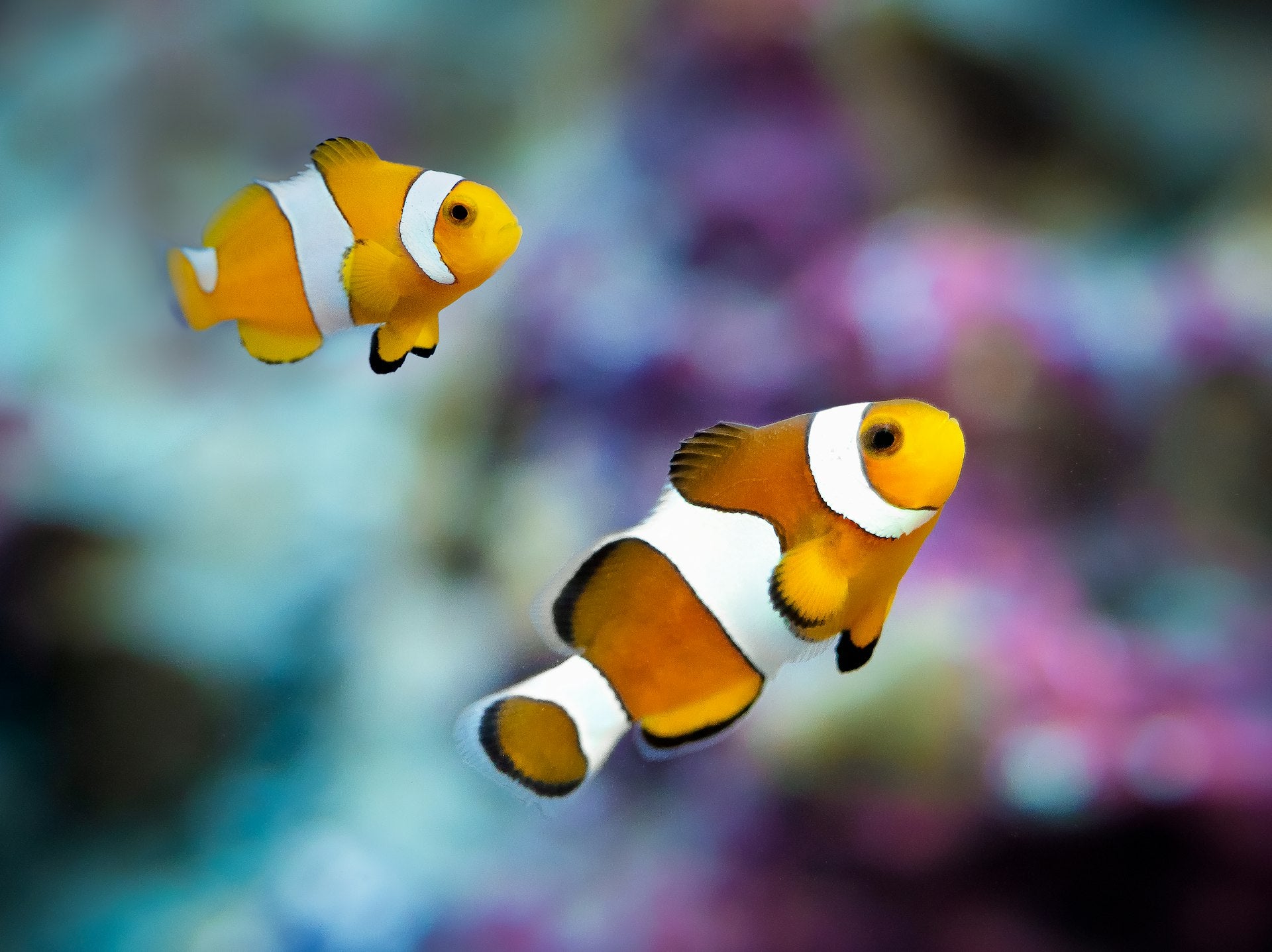
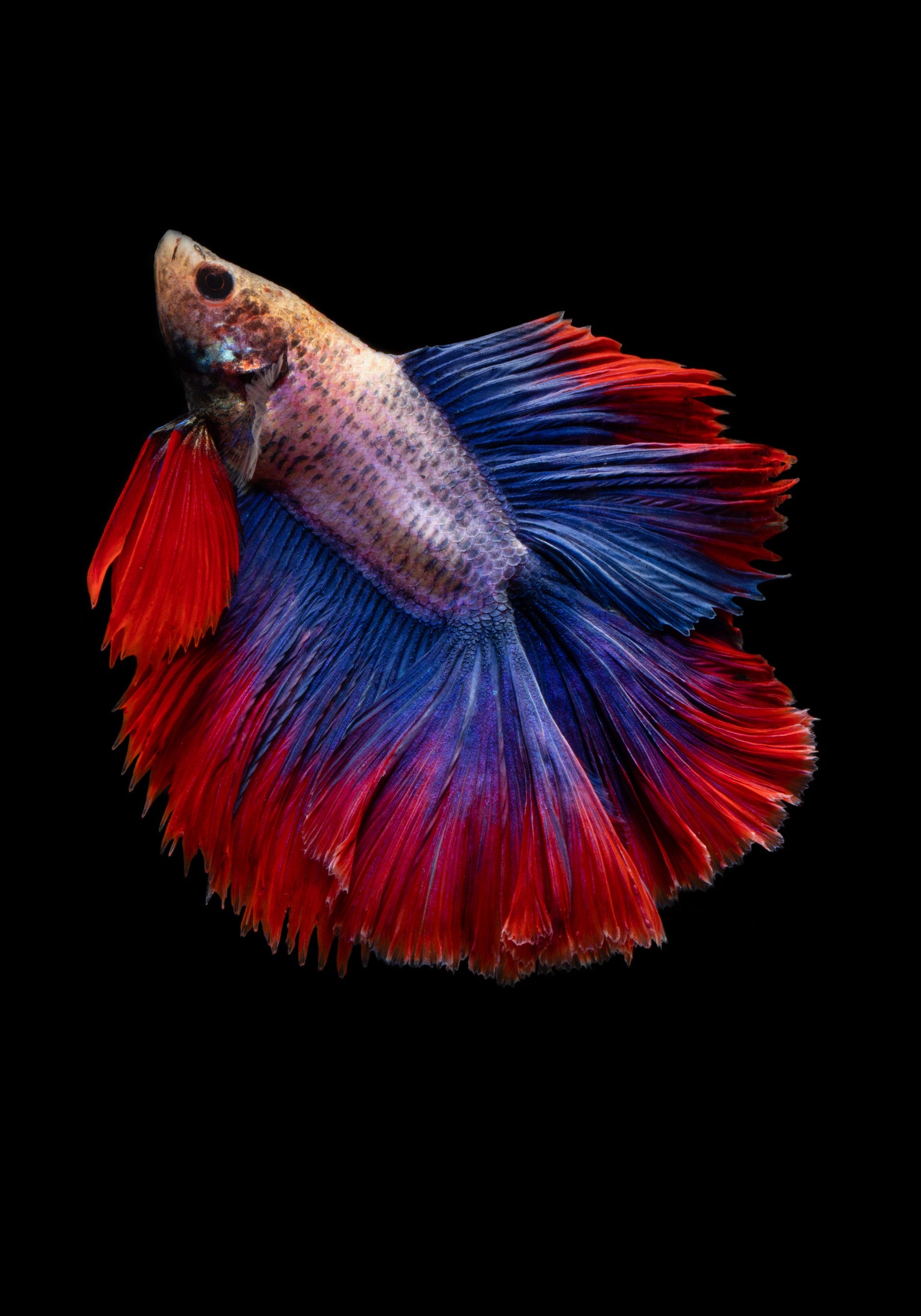
Embarking on a tropical fish hobby can be a splash of joy and learning for kids! Here’s why it’s a fantastic idea:
-
Responsibility and Routine: Taking care of fish teaches kids the value of responsibility as they learn to feed them, clean the tank, and maintain a healthy environment.
-
Science and Education: Kids can discover the fascinating world of marine biology, understanding ecosystems, the nitrogen cycle, and the behavior of different fish species.
-
Calming and Therapeutic: Watching fish swim can be incredibly soothing and can help reduce stress, creating a peaceful atmosphere.
-
Creativity and Aesthetics: Designing and decorating the aquarium taps into kids’ creativity, letting them express themselves while building an appealing underwater world.
-
Family Bonding: This hobby can be a family affair, fostering teamwork and shared interests, providing quality time together.
-
Respect for Life: Caring for living creatures helps kids develop empathy and respect for other forms of life.
-
Patience and Observation Skills: Observing fish and waiting for them to acclimate teaches patience and sharpens observational skills.
-
Multicultural Understanding: Learning about fish from different parts of the world can spark curiosity about diverse cultures and environments.
It's a hobby that combines fun with valuable life lessons, swimmingl
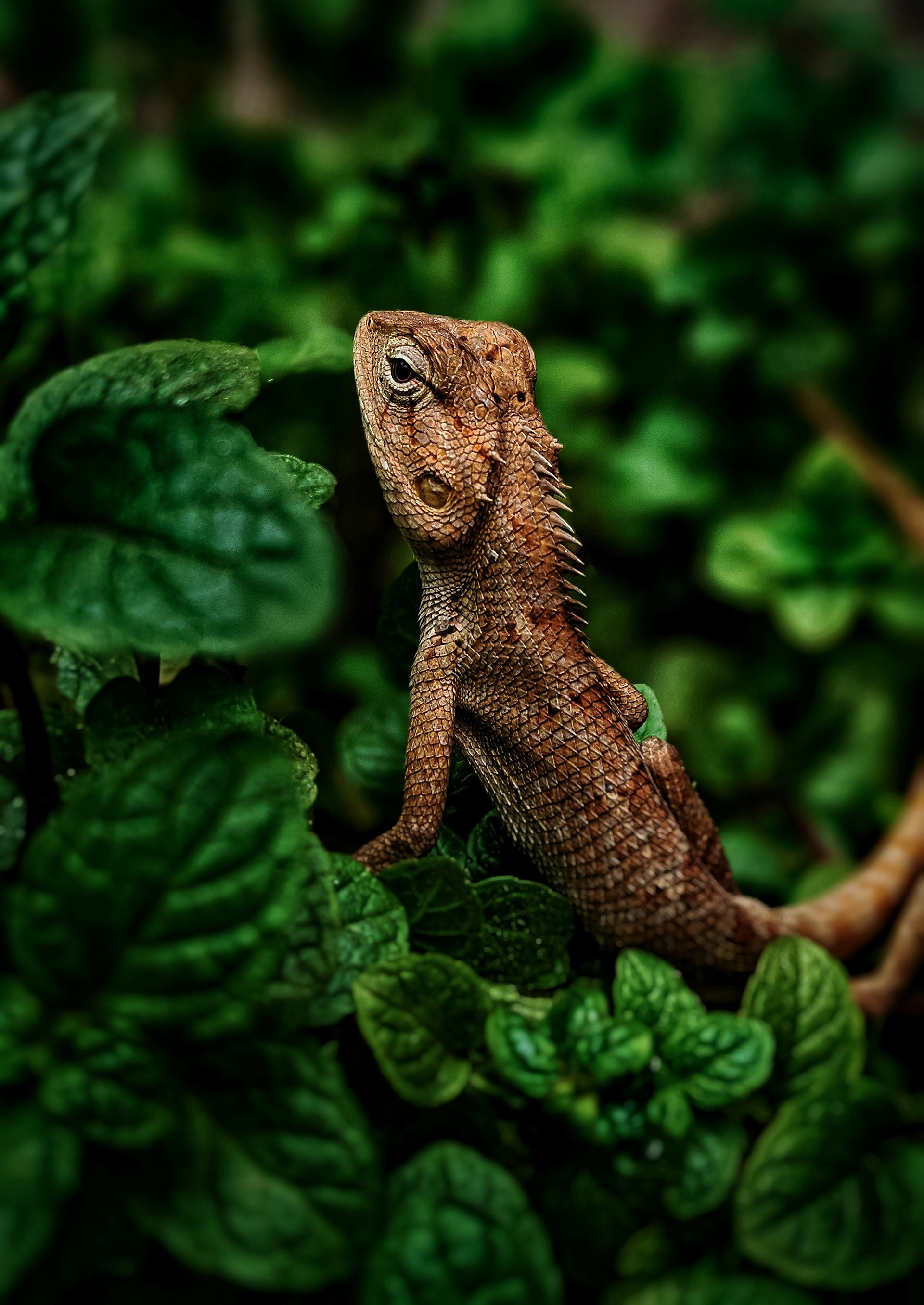


Reptiles can make fascinating and rewarding pets for several reasons:
-
Unique Appeal: Reptiles come in a variety of shapes, sizes, and colors, making them visually striking and interesting to observe. Their unique behaviors, like a gecko's wall-climbing skills or a chameleon's color changes, add to their allure.
-
Low Maintenance: Many reptiles require less daily attention compared to traditional pets like dogs or cats. They don't need walks, and their feeding schedules can be less demanding. This makes them ideal for people with busy lifestyles.
-
Allergies: Reptiles are a great alternative for those who are allergic to fur or dander. They don't produce the same allergens as mammals, making them a pet option for those with sensitivities.
-
Longevity: Some reptiles have impressive lifespans. For example, turtles and tortoises can live for several decades, offering long-term companionship.
-
Educational Value: Keeping reptiles can be a learning experience. Owners often enjoy studying their pets' natural behaviors, habitats, and care requirements. It's like having a living piece of nature at home.
-
Calming Presence: Observing reptiles can be quite relaxing. Their slow movements and serene demeanor can have a calming effect, much like watching fish in an aquarium.


Why Pet Rabbits are fun to have
Pet rabbits can be a delight. Here are several reasons why having them as pets is fun:
-
Adorable Companionship: Their fluffy, soft fur and expressive eyes make them incredibly cute and endearing. Just looking at them can bring a smile to your face.
-
Low Maintenance: Compared to some pets, rabbits are relatively low maintenance. They don't need daily walks and can be litter-trained, which is convenient for busy lifestyles.
-
Entertaining Behavior: Rabbits have unique and amusing behaviors. They hop, binky (joyful leaps and twists in the air), and perform adorable grooming rituals, keeping you entertained with their antics.
-
Quiet Pets: If you prefer a peaceful environment, rabbits are quiet animals. They communicate through soft sounds and body language rather than loud noises.
-
Bonding Experience: Rabbits can form strong bonds with their owners. Spending time petting, feeding, and playing with them fosters a deep connection and trust.
-
Gentle and Affectionate: Many rabbits enjoy being petted and cuddled. They can sit on your lap, nuzzle you, or simply relax by your side, providing soothing and affectionate companionship.
-
Teach Responsibility: Caring for a rabbit teaches responsibility and empathy, especially for children. It helps them understand the importance of feeding, grooming, and creating a safe environment for their pet.
-
Variety of Breeds: There are numerous rabbit breeds to choose from, each with unique characteristics and appearances. You can select one that matches your lifestyle and preferences.
-
Fun Activities: Rabbits enjoy exploring and playing with toys. You can create obstacle courses, hide treats, and provide tunnels for them to navigate, making playtime engaging for both of you.
-
Herbivorous Diet: Rabbits primarily eat hay, fresh vegetables, and pellets, which are easy to find and often less expensive than specialized diets for other pets.
Overall, rabbits can bring a lot of joy and warmth to your life with their charming personalities and gentle nature. They make great companions for those seeking a loving and fun pet experience.